
BVD in Children with Autism: Hidden Vision Problems
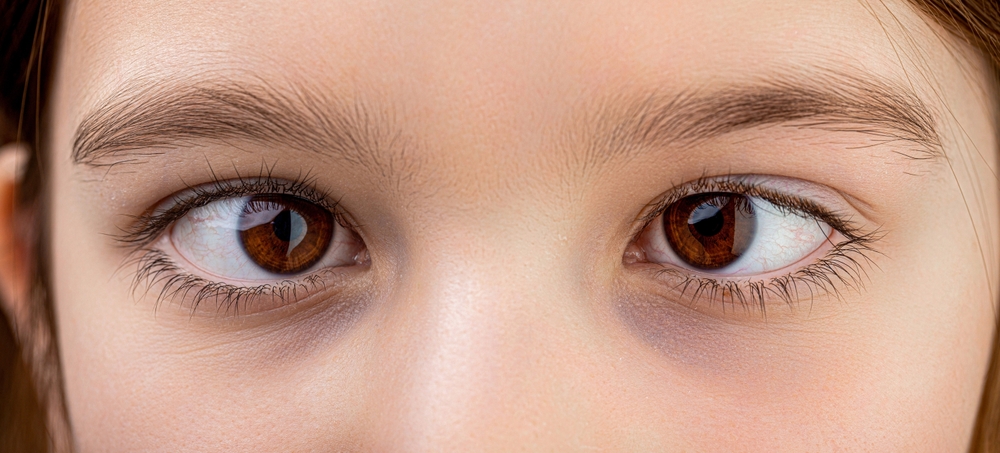
When a child with autism struggles with focus, reading, coordination, or sensory overload, vision is rarely the first area considered. Yet for many children on the spectrum, Binocular Vision Dysfunction (BVD) is the underlying vision issue affecting how they process the world visually. Even with clear eyesight, misalignment or poor eye coordination can place constant stress on the visual system - contributing to challenges that are often attributed solely to autism rather than an untreated vision condition.
What Is Binocular Vision Dysfunction (BVD)?
Binocular Vision Dysfunction occurs when the eyes are unable to work together as a coordinated team. Even when each eye can see clearly on its own, poor eye alignment or coordination can cause the brain to receive conflicting visual information.
This mismatch forces the visual system to work harder than it should, often leading to symptoms such as:
• Eye strain or visual fatigue
• Difficulty focusing or tracking objects
• Headaches or dizziness
• Avoidance of near tasks like reading or writing
In children, especially those with autism, these symptoms may not present as obvious vision complaints. Instead, they often appear as behavioral, sensory, or learning challenges.
Why BVD Is Often Missed in Children with Autism
Traditional eye exams typically focus on visual acuity - how clearly a child can see letters on a chart. Many children with BVD pass these exams with “20/20” vision, even though their eyes are not working together properly.
For children with autism, this creates an even greater risk of missed diagnosis because:
• They may have difficulty communicating discomfort or visual confusion
• Sensory overload may mask or mimic visual symptoms
• Behaviors linked to vision problems may be attributed solely to autism
As a result, BVD is frequently the underlying vision issue contributing to symptoms that parents and educators struggle to explain.
Signs of BVD in Children with Autism
Vision-related challenges in children with autism can show up in subtle and unexpected ways. Some common indicators include:
• Poor attention during reading or schoolwork
• Frequent rubbing of the eyes or covering one eye
• Avoidance of close-up tasks
• Head tilting, closing one eye, or unusual posture when looking at objects
• Increased frustration, meltdowns, or anxiety during visually demanding activities
• Difficulty with depth perception or coordination
Because these behaviors overlap with common autism traits, binocular vision problems are often overlooked unless a comprehensive functional vision evaluation is performed.
How Vision Therapy Helps Children with BVD and Autism
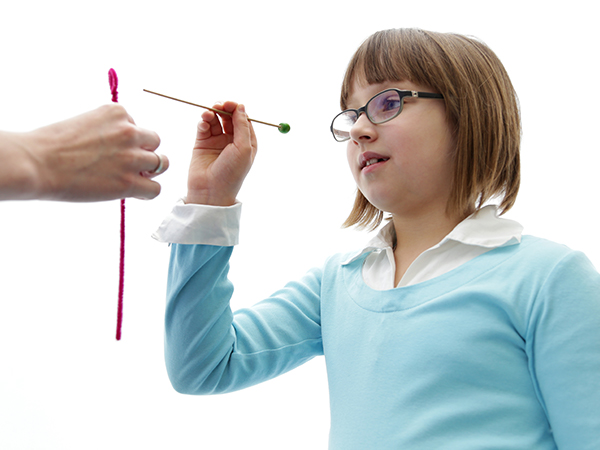
Vision therapy is a structured, individualized program designed to improve how the eyes and brain work together. For children with autism and BVD, vision therapy focuses on building essential visual skills such as:
• Eye teaming and alignment
• Focusing flexibility
• Eye tracking and coordination
• Visual processing and spatial awareness
Therapy sessions are customized to each child’s developmental level, sensory needs, and learning style. Exercises are often play-based and engaging, making them more accessible for children on the spectrum.
Over time, many families report improvements in:
• Visual comfort and stamina
• Attention and task engagement
• Academic participation
• Overall confidence and reduced frustration
While vision therapy does not treat autism itself, it can remove a significant visual barrier that may be interfering with progress in other therapies and daily activities.
Take the Next Step at Carolina Vision Rehabilitation
Binocular Vision Dysfunction is a frequently overlooked yet highly impactful condition in children with autism. When the eyes are not working together properly, the resulting visual stress can influence behavior, learning, and sensory processing. Because BVD is often the underlying vision issue, addressing it through specialized evaluation and vision therapy can unlock improvements that traditional approaches may miss.
If your child has autism and struggles with attention, learning, or visual tasks, a binocular vision evaluation may provide valuable answers. Contact Carolina Vision Rehabilitation to schedule an evaluation and learn how addressing hidden vision problems can support your child’s success. Visit our office in Charlotte, North Carolina, or call (980) 613-0919 to book an appointment today.
Quick Links
Helpful Articles
article_category: large animal
article_category: cosmetic
article_category: preventative
article_category: general
article_category: conditions
article_category: FAQ & tips
article_category: cats
article_category: exotic
article_category: vision therapy
article_category: aesthetics
article_category: dogs
article_category: restorative
article_category: psychiatry
article_category: health
[]
article_category: cosmetic
article_category: preventative
article_category: general
article_category: conditions
article_category: FAQ & tips
article_category: cats
article_category: exotic
article_category: vision therapy
article_category: aesthetics
article_category: dogs
article_category: restorative
article_category: psychiatry
article_category: health
[]
Flowbite is an open-source library of interactive components built on top of Tailwind CSS including buttons, dropdowns, modals, navbars, and more.
Check out this guide to learn how to get started and start developing websites even faster with components on top of Tailwind CSS.
All Eye Care Services
Find personalized eye care excellence with our specialized services. From quality care to advanced technology, trust us for all your vision needs.

Keep In Touch
For non-urgent questions or to learn more about our services, contact us today!
Quick Links
Contact Info
Hours of Operation
- Monday 8:00am - 5:00pm
- Tuesday 8:00am - 5:00pm
- Wednesday 8:00am - 5:00pm
- Thursday 8:00am - 5:00pm
- Friday 8:00am - 1:00pm
- Saturday Closed
- Sunday Closed
- Monday
- Tuesday
- Wednesday
- Thursday
- Friday
- Saturday
- Sunday
- Monday
- Tuesday
- Wednesday
- Thursday
- Friday
- Saturday
- Sunday
© 2026 Carolina Vision Rehabilitation. All rights Reserved -
Accessibility Statement
-
Privacy Policy
-
Sitemap
Managed and Designed by 