
Fall Sports Concussions in Charlotte: How Neuro-Optometric Rehab Restores Visual Tracking for Athletes
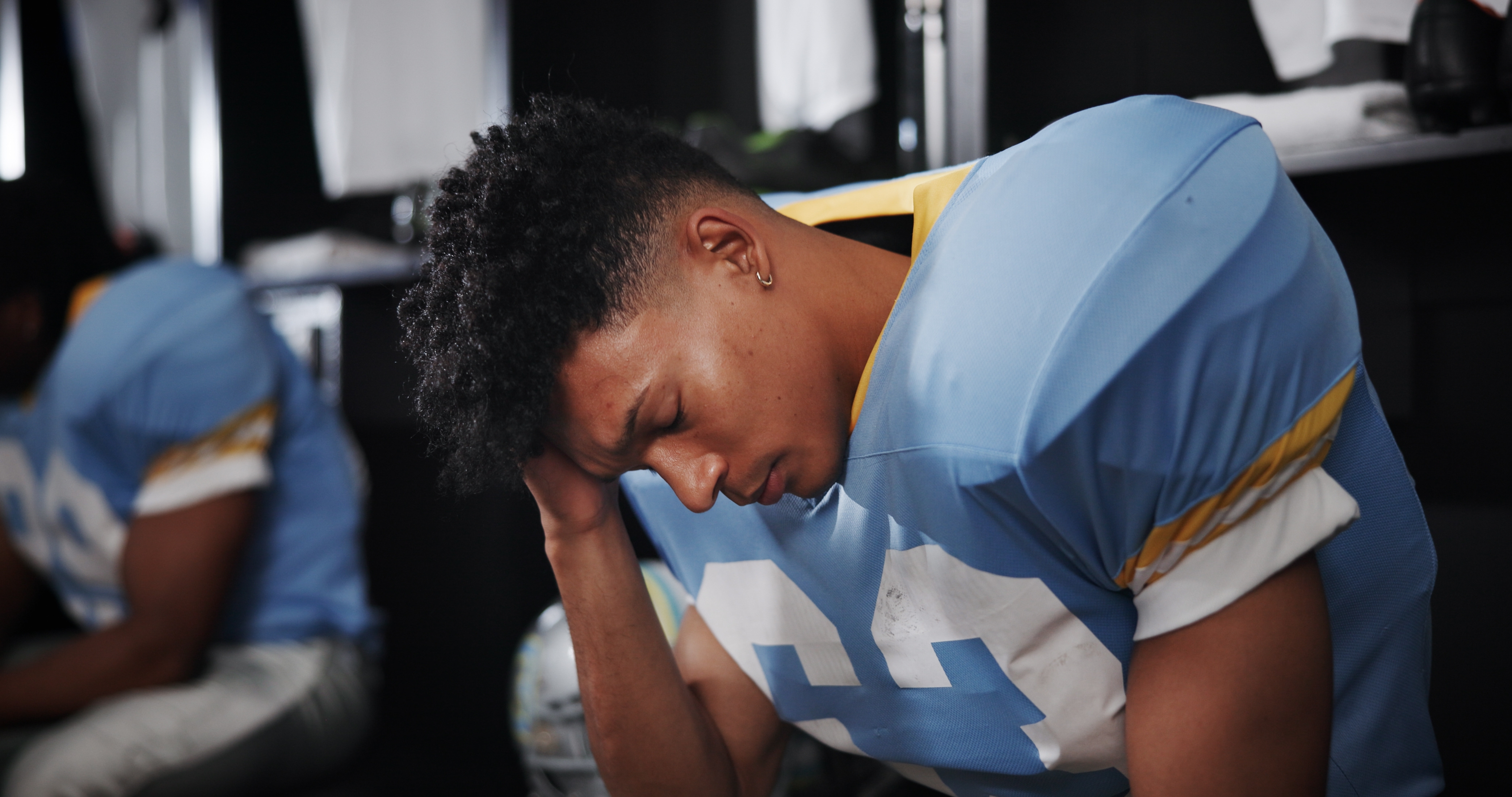
Fall sports bring football, soccer, cheerleading, and other fast-paced activities back to fields and gyms across Charlotte. Along with the excitement comes an increased risk of concussion. While headaches, dizziness, and fatigue are commonly associated with concussions, changes in vision can also affect an athlete's recovery.
At Carolina Vision Rehabilitation, we help patients address visual problems that can develop after a concussion. Neuro-optometric rehabilitation focuses on rebuilding the connection between the eyes and brain so athletes can regain important visual skills, including tracking, focusing, coordination, and visual processing.
How a Concussion Can Affect Visual Tracking
Visual tracking is the ability to smoothly follow a moving object with the eyes. Athletes depend on this skill to follow a ball, track other players, scan the field, and react quickly to movement.
A concussion can disrupt the neurological pathways involved in eye movements and visual processing. Even when eyesight remains clear, an athlete may struggle to use their vision efficiently.
Signs of post-concussion visual dysfunction may include:
• Difficulty following moving objects
• Losing place while reading
• Blurred or double vision
• Headaches or eye strain with visual tasks
• Dizziness or balance problems
• Light sensitivity
• Difficulty shifting focus between near and far objects
These symptoms can interfere with school, screen use, everyday activities, and eventually a safe return to sports.
Why a Regular Vision Screening May Not Be Enough
Seeing clearly on an eye chart does not necessarily mean the entire visual system is functioning normally after a concussion. Functional vision also involves how well the eyes move together, maintain focus, process motion, and coordinate with the brain and body.
For Charlotte athletes experiencing persistent symptoms after a head injury, a neuro-optometric evaluation can identify visual skills that may have been affected. This helps us develop a rehabilitation plan based on the patient's specific difficulties and recovery goals.
How Neuro-Optometric Rehabilitation Helps Athletes
Neuro-optometric rehabilitation uses customized activities to retrain visual and neurological skills affected by concussion. Depending on the patient's needs, therapy may focus on eye tracking, focusing, visual-motor integration, balance, coordination, and visual processing.
Therapeutic lenses, prisms, or filters may also be incorporated when appropriate. The goal is to help the brain and visual system work together more efficiently, making everyday visual tasks more comfortable while supporting the athlete's broader recovery.
Supporting a Safe Return to Sports in Charlotte
Returning to competition should not be based only on whether an athlete feels better. Ongoing trouble tracking movement, maintaining visual focus, or staying balanced may indicate that the visual system is still recovering.
At Carolina Vision Rehabilitation, we provide individualized neuro-optometric care for Charlotte patients experiencing visual changes following concussions and other neurological injuries. By addressing functional vision problems, we can help athletes rebuild the skills they rely on both on and off the field.
Schedule a neuro-optometric evaluation with Carolina Vision Rehabilitation to learn how vision rehabilitation can support recovery after a sports concussion. Contact our office in Charlotte, NC, by calling (980) 613-0919 to book an appointment today.
Quick Links
Helpful Articles
article_category: large animal
article_category: cosmetic
article_category: preventative
article_category: general
article_category: conditions
article_category: FAQ & tips
article_category: cats
article_category: exotic
article_category: vision therapy
article_category: aesthetics
article_category: dogs
article_category: restorative
article_category: psychiatry
article_category: health
[]
article_category: cosmetic
article_category: preventative
article_category: general
article_category: conditions
article_category: FAQ & tips
article_category: cats
article_category: exotic
article_category: vision therapy
article_category: aesthetics
article_category: dogs
article_category: restorative
article_category: psychiatry
article_category: health
[]
Flowbite is an open-source library of interactive components built on top of Tailwind CSS including buttons, dropdowns, modals, navbars, and more.
Check out this guide to learn how to get started and start developing websites even faster with components on top of Tailwind CSS.
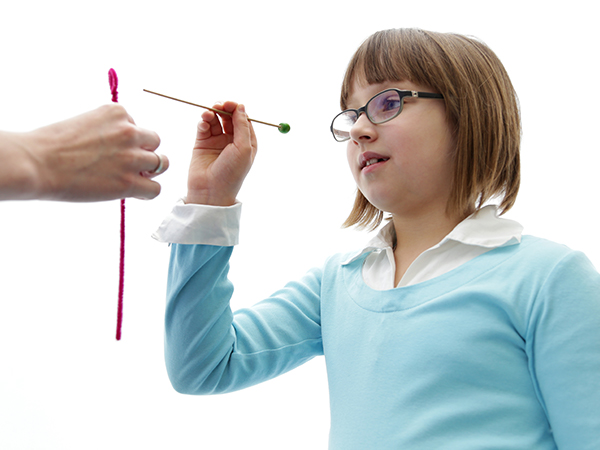
All Eye Care Services
Find personalized eye care excellence with our specialized services. From quality care to advanced technology, trust us for all your vision needs.
Keep In Touch
For non-urgent questions or to learn more about our services, contact us today!
Quick Links
Contact Info
Hours of Operation
- Monday 8:00am - 5:00pm
- Tuesday 8:00am - 5:00pm
- Wednesday 8:00am - 5:00pm
- Thursday 8:00am - 5:00pm
- Friday 8:00am - 1:00pm
- Saturday Closed
- Sunday Closed
- Monday
- Tuesday
- Wednesday
- Thursday
- Friday
- Saturday
- Sunday
- Monday
- Tuesday
- Wednesday
- Thursday
- Friday
- Saturday
- Sunday
© 2026 Carolina Vision Rehabilitation. All rights Reserved -
Accessibility Statement
-
Privacy Policy
-
Sitemap
Managed and Designed by 