
How Eye Teaming Affects Reading, Sports, And Daily Focus

Eye teaming plays an important role in how comfortably and accurately the eyes work together. When both eyes coordinate well, reading, sports, screen use, and daily tasks feel more natural. When they do not, the brain has to work harder to process visual information, which can lead to eye strain, poor focus, headaches, or trouble keeping up with visually demanding activities. At Carolina Vision Rehabilitation, patients are evaluated for visual skills that go beyond clear eyesight, including eye teaming, focusing, and tracking.
What Is Eye Teaming?
Eye teaming helps both eyes point at the same place at the same time. This skill is especially important for close-up work, depth perception, and fast visual processing. If the eyes struggle to stay aligned, the brain has to work harder to keep images clear and single.
Common eye teaming concerns may include convergence insufficiency, eye strain, double vision, or difficulty keeping place while reading. These issues can affect children, teens, and adults.
How Eye Teaming Affects Reading
Reading requires the eyes to move smoothly across a page, focus up close, and work together for long periods. When eye teaming is weak, reading can feel tiring or frustrating.
A child may understand the material but still avoid reading because their eyes become uncomfortable. Adults may notice similar problems when reading reports, working on a computer, or switching between screens and printed materials.
Signs of an eye teaming issue during reading may include:
• Losing place or skipping lines
• Covering one eye while reading
• Headaches after close work
• Words appearing to move or blur
• Trouble staying focused on the page
• Reading slowly despite strong comprehension
How Eye Teaming Affects Sports
Sports depend on quick visual decisions. Eye teaming supports depth perception, hand-eye coordination, timing, and the ability to judge where a ball, player, or target is moving.
When the eyes do not work together efficiently, an athlete may misjudge distance, react late, or struggle with tracking fast movement. This can affect sports like baseball, basketball, soccer, tennis, and volleyball. Strong visual skills help athletes process movement more accurately and respond with better confidence.
How Eye Teaming Affects Daily Focus
Eye teaming is also important for everyday focus. Tasks like driving, writing, doing homework, using a phone, or working at a computer all require steady visual coordination.
When the visual system is under stress, the brain may use extra energy just to keep images clear. This can lead to fatigue, poor concentration, irritability, or avoidance of visually demanding tasks. For some patients, these symptoms may look like attention problems when the real issue is related to how the eyes and brain work together.
How Vision Therapy Can Make A Difference
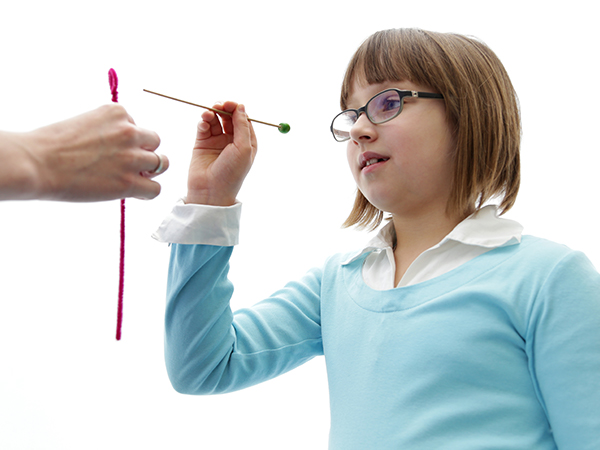
Vision therapy is designed to strengthen the connection between the eyes and brain. Through personalized, guided activities, patients can work on skills such as eye teaming, tracking, focusing, and visual processing. The goal is to help the visual system work more efficiently so reading, sports, screen use, and daily tasks feel less tiring.
For children, vision therapy may help reduce frustration with schoolwork or reading. For adults, it can support comfort during computer work, driving, or other visually demanding activities. At Carolina Vision Rehabilitation, each treatment plan is based on the patient’s specific visual needs and goals.
When To Consider A Vision Evaluation
A comprehensive vision evaluation can help determine whether eye teaming is contributing to reading struggles, sports performance challenges, or daily focus concerns. Vision therapy may be recommended when specific visual skills need to be strengthened through guided, personalized activities.
Schedule a consultation with Carolina Vision Rehabilitation to learn how vision therapy can support stronger eye teaming, reading comfort, sports performance, and daily focus. Visit our office in Charlotte, North Carolina, or call (980) 613-0919 to book an appointment today.
Quick Links
Helpful Articles
article_category: large animal
article_category: cosmetic
article_category: preventative
article_category: general
article_category: conditions
article_category: FAQ & tips
article_category: cats
article_category: exotic
article_category: vision therapy
article_category: aesthetics
article_category: dogs
article_category: restorative
article_category: psychiatry
article_category: health
[]
article_category: cosmetic
article_category: preventative
article_category: general
article_category: conditions
article_category: FAQ & tips
article_category: cats
article_category: exotic
article_category: vision therapy
article_category: aesthetics
article_category: dogs
article_category: restorative
article_category: psychiatry
article_category: health
[]
Flowbite is an open-source library of interactive components built on top of Tailwind CSS including buttons, dropdowns, modals, navbars, and more.
Check out this guide to learn how to get started and start developing websites even faster with components on top of Tailwind CSS.
All Eye Care Services
Find personalized eye care excellence with our specialized services. From quality care to advanced technology, trust us for all your vision needs.

Keep In Touch
For non-urgent questions or to learn more about our services, contact us today!
Quick Links
Contact Info
Hours of Operation
- Monday 8:00am - 5:00pm
- Tuesday 8:00am - 5:00pm
- Wednesday 8:00am - 5:00pm
- Thursday 8:00am - 5:00pm
- Friday 8:00am - 1:00pm
- Saturday Closed
- Sunday Closed
- Monday
- Tuesday
- Wednesday
- Thursday
- Friday
- Saturday
- Sunday
- Monday
- Tuesday
- Wednesday
- Thursday
- Friday
- Saturday
- Sunday
© 2026 Carolina Vision Rehabilitation. All rights Reserved -
Accessibility Statement
-
Privacy Policy
-
Sitemap
Managed and Designed by 