
Letter Reversals During Back-to-School Season: When Should Parents Be Concerned?

As students return to the classroom, parents may start noticing letters such as “b” and “d” getting mixed up during reading or writing. Occasional letter reversals can be part of the learning process, especially for younger students. However, when reversals continue or happen alongside other reading and visual difficulties, we may want to take a closer look at how your child is processing visual information.
When Are Letter Reversals More Concerning?
Letter reversals alone do not always mean there is a vision problem or learning disorder. We look at how often they occur and whether they are happening alongside other difficulties.
Parents may want to pay closer attention if their child also:
• Frequently loses their place or skips lines while reading
• Repeatedly reverses letters or words when writing
• Struggles to copy information from the board
• Complains of headaches or eye fatigue during schoolwork
• Avoids reading or becomes frustrated with written assignments
• Has trouble maintaining attention during visually demanding tasks
When we see several of these signs together, it may indicate that certain visual skills involved in reading and learning need further evaluation.
Clear Eyesight Is Only Part of Classroom Vision
A child can see clearly and still have difficulty with the way their eyes work together. Reading depends on accurate eye tracking, focusing, eye teaming, and visual processing. When one or more of these skills are not working efficiently, students may lose their place while reading, experience visual fatigue, struggle with comprehension, or reverse letters and words.
Back-to-school season can make these difficulties more noticeable. Longer reading assignments, increased screen use, note-taking, and frequent shifts between near and distance vision all place greater demands on the visual system.
Could Vision Therapy Help?
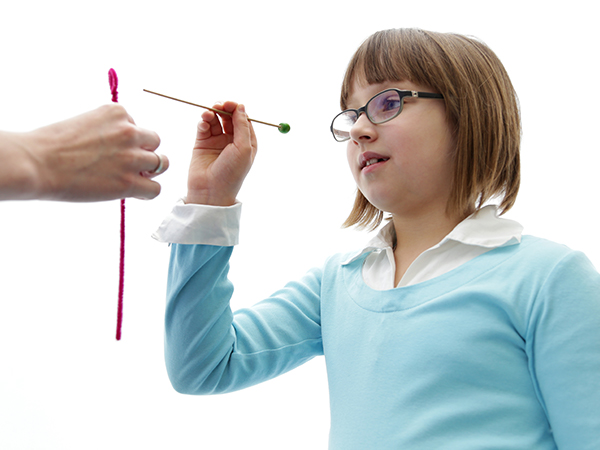
If our evaluation identifies an underlying visual skill that needs support, we may recommend vision therapy. Vision therapy is a personalized, supervised program designed to improve how the eyes and brain work together.
Depending on your child’s needs, we may work on skills such as eye tracking, focusing, eye teaming, fixation, and visual attention. Our vision therapy programs are customized based on each patient’s specific visual needs rather than using the same approach for everyone.
Pay Attention to Back-to-School Vision Struggles
If your child is reversing letters while also struggling with reading, losing their place, experiencing headaches, or becoming frustrated with schoolwork, we can help determine whether vision is contributing to the problem. By identifying the specific visual skills involved, we can better understand what support may be appropriate.
Schedule an evaluation with Carolina Vision Rehabilitation to learn more about your child’s visual skills and vision therapy options. Visit our office in Charlotte, North Carolina, or call (980) 613-0919 to book an appointment today.
Quick Links
Helpful Articles
article_category: large animal
article_category: cosmetic
article_category: preventative
article_category: general
article_category: conditions
article_category: FAQ & tips
article_category: cats
article_category: exotic
article_category: vision therapy
article_category: aesthetics
article_category: dogs
article_category: restorative
article_category: psychiatry
article_category: health
[]
article_category: cosmetic
article_category: preventative
article_category: general
article_category: conditions
article_category: FAQ & tips
article_category: cats
article_category: exotic
article_category: vision therapy
article_category: aesthetics
article_category: dogs
article_category: restorative
article_category: psychiatry
article_category: health
[]
Flowbite is an open-source library of interactive components built on top of Tailwind CSS including buttons, dropdowns, modals, navbars, and more.
Check out this guide to learn how to get started and start developing websites even faster with components on top of Tailwind CSS.
All Eye Care Services
Find personalized eye care excellence with our specialized services. From quality care to advanced technology, trust us for all your vision needs.

Keep In Touch
For non-urgent questions or to learn more about our services, contact us today!
Quick Links
Contact Info
Hours of Operation
- Monday 8:00am - 5:00pm
- Tuesday 8:00am - 5:00pm
- Wednesday 8:00am - 5:00pm
- Thursday 8:00am - 5:00pm
- Friday 8:00am - 1:00pm
- Saturday Closed
- Sunday Closed
- Monday
- Tuesday
- Wednesday
- Thursday
- Friday
- Saturday
- Sunday
- Monday
- Tuesday
- Wednesday
- Thursday
- Friday
- Saturday
- Sunday
© 2026 Carolina Vision Rehabilitation. All rights Reserved -
Accessibility Statement
-
Privacy Policy
-
Sitemap
Managed and Designed by 