
What Is Amblyopia (Lazy Eye) and How Does It Affect Vision?

Amblyopia, commonly known as lazy eye, is a vision condition that develops when the brain and one eye do not work together properly. Although the eye itself may appear healthy, the brain begins to favor the stronger eye and suppress visual input from the weaker one. Over time, this can lead to reduced vision that cannot be corrected with glasses or contact lenses alone.
What Is Amblyopia?
Amblyopia occurs when the brain fails to fully process visual information from one eye during early development. Because the brain prioritizes clearer input, it gradually “turns down” the signals from the weaker eye, leading to reduced visual acuity and poor eye coordination.
Common causes of amblyopia include:
• Eye misalignment (strabismus): When the eyes do not point in the same direction
• Unequal refractive errors: One eye may be significantly more nearsighted, farsighted, or astigmatic than the other
• Visual obstruction: Conditions such as cataracts or droopy eyelids that block vision early in life
Without proper treatment, the brain continues to suppress the weaker eye, making recovery more difficult over time.
Recognizing the Signs and Symptoms of Amblyopia
Amblyopia does not always present obvious symptoms, which is why routine eye exams are so important - especially for children. When signs are present, they may include:
• Blurry or reduced vision in one eye
• Poor depth perception or difficulty judging distances
• Squinting, closing one eye, or tilting the head to see more clearly
• Eye misalignment or wandering eyes
• Difficulty with reading, handwriting, or sports
• Frequent eye strain or visual fatigue
Because children may not realize their vision is abnormal, amblyopia often goes unnoticed without a comprehensive vision evaluation.
How Amblyopia Affects Vision
Amblyopia impacts more than just clarity of sight. Since vision is a brain-based process, the condition interferes with how visual information is interpreted and used. Individuals with amblyopia may experience:
• Reduced visual sharpness that glasses alone cannot correct
• Impaired binocular vision (the ability to use both eyes together)
• Poor depth perception
• Slower visual processing
• Difficulty with eye-hand coordination
These challenges can affect learning, reading efficiency, sports performance, and daily activities - especially if amblyopia is not addressed early.
The Role of Vision Therapy in Treating Amblyopia
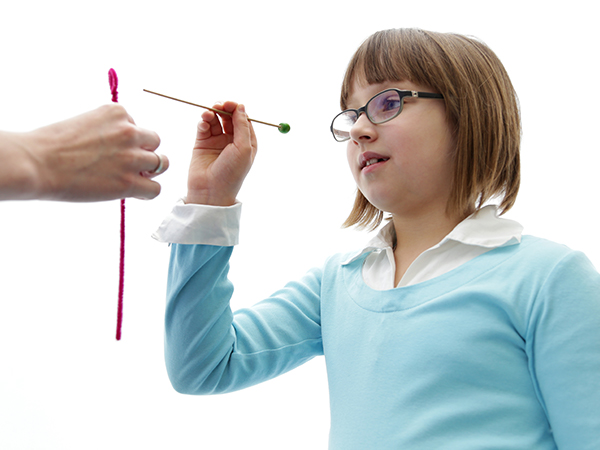
Vision therapy plays a critical role in the treatment of amblyopia by addressing the underlying communication breakdown between the eyes and the brain. Rather than simply strengthening the weaker eye, vision therapy retrains the visual system to work together more effectively.
At Carolina Vision Rehabilitation, vision therapy programs are customized to each patient and may include:
• Structured visual exercises to improve eye teaming and focusing
• Activities that reduce suppression of the weaker eye
• Techniques to strengthen binocular vision and depth perception
• Tools and lenses designed to challenge and improve visual processing
Vision therapy can be effective for both children and adults, especially when combined with appropriate corrective lenses. Early intervention often leads to better outcomes, but improvements are possible at many ages with the right approach.
Get Expert Care for Amblyopia
Amblyopia is a complex condition that affects how the eyes and brain work together, not just how clearly someone sees. Left untreated, it can lead to lasting visual limitations that impact everyday life. The good news is that with early detection and targeted vision therapy, amblyopia can often be successfully treated - helping patients achieve stronger, more functional vision.
If your child has been diagnosed with amblyopia or if you suspect a vision problem may be affecting visual development, Carolina Vision Rehabilitation is here to help. Schedule a consultation to learn how personalized vision therapy can support long-term visual success. Visit our office in Charlotte, North Carolina, or call (980) 613-0919 to book an appointment today.
Quick Links
Helpful Articles
article_category: large animal
article_category: cosmetic
article_category: preventative
article_category: general
article_category: conditions
article_category: FAQ & tips
article_category: cats
article_category: exotic
article_category: vision therapy
article_category: aesthetics
article_category: dogs
article_category: restorative
article_category: psychiatry
article_category: health
[]
article_category: cosmetic
article_category: preventative
article_category: general
article_category: conditions
article_category: FAQ & tips
article_category: cats
article_category: exotic
article_category: vision therapy
article_category: aesthetics
article_category: dogs
article_category: restorative
article_category: psychiatry
article_category: health
[]
Flowbite is an open-source library of interactive components built on top of Tailwind CSS including buttons, dropdowns, modals, navbars, and more.
Check out this guide to learn how to get started and start developing websites even faster with components on top of Tailwind CSS.
All Eye Care Services
Find personalized eye care excellence with our specialized services. From quality care to advanced technology, trust us for all your vision needs.

Keep In Touch
For non-urgent questions or to learn more about our services, contact us today!
Quick Links
Contact Info
Hours of Operation
- Monday 8:00am - 5:00pm
- Tuesday 8:00am - 5:00pm
- Wednesday 8:00am - 5:00pm
- Thursday 8:00am - 5:00pm
- Friday 8:00am - 1:00pm
- Saturday Closed
- Sunday Closed
- Monday
- Tuesday
- Wednesday
- Thursday
- Friday
- Saturday
- Sunday
- Monday
- Tuesday
- Wednesday
- Thursday
- Friday
- Saturday
- Sunday
© 2026 Carolina Vision Rehabilitation. All rights Reserved -
Accessibility Statement
-
Privacy Policy
-
Sitemap
Managed and Designed by 