
What Is Neuro-Optometric Vision Therapy? Understanding the Symptoms and Benefits
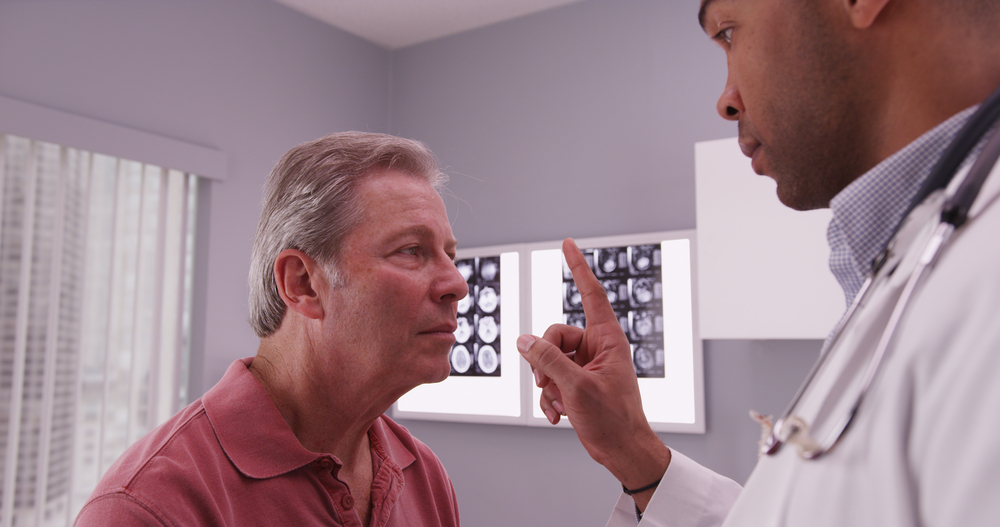
When vision problems arise, the issue isn’t always with the eyes themselves. Sometimes, the brain’s ability to process and coordinate visual information is affected - often as a result of a neurological event or injury. This is where Neuro-Optometric Vision Therapy plays a vital role. This specialized form of vision rehabilitation focuses on retraining the connection between the eyes and brain, helping individuals recover visual function and comfort after trauma, stroke, or other neurological conditions.
What Causes Neurological Vision Dysfunction?
The visual system is closely linked to many areas of the brain. When those pathways are disrupted, visual skills such as focusing, eye movement, balance, and spatial awareness can be affected. Common causes of these visual disruptions include:
• Traumatic brain injury (TBI) or concussion
• Stroke
• Multiple sclerosis
• Brain tumors or lesions
• Vestibular and balance disorders
• Migraine-related visual disturbances
Even a mild head injury can alter how the brain processes visual information, leading to frustrating and sometimes debilitating symptoms.
Common Symptoms of Neuro-Visual Dysfunction
Because these vision issues stem from the brain, symptoms often go beyond what a routine eye exam would detect. Individuals may experience:
• Visual processing challenges: Difficulty recognizing faces, judging distances, or interpreting busy environments.
• Double vision (diplopia): Seeing two overlapping images instead of one.
• Visual field loss: Missing areas or blind spots in vision, often following stroke or trauma.
• Difficulty tracking or focusing: Trouble reading, following moving objects, or maintaining focus on near tasks.
• Light sensitivity and eye strain: Discomfort with bright light or visual concentration.
• Poor balance or dizziness: Feeling off-balance when moving eyes or head due to visual-vestibular disruption.
These symptoms can interfere with daily activities like reading, driving, and walking - significantly affecting independence and confidence.
How Neuro-Optometric Vision Therapy Helps
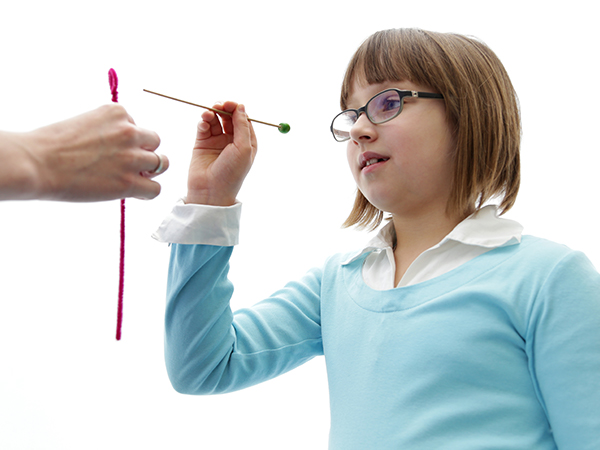
Neuro-Optometric Vision Therapy is a customized rehabilitation program that uses targeted exercises, lenses, and visual-motor activities to strengthen how the brain and eyes work together. At Carolina Vision Rehabilitation, treatment may include:
• Eye movement and tracking exercises
• Balance and coordination training
• Visual-motor integration activities
• Use of therapeutic lenses, prisms, or filters
This therapy helps patients rebuild visual efficiency, improve focus and comfort, and regain control over their daily visual tasks.
Begin Your Recovery with Carolina Vision Rehabilitation
Neurological vision dysfunctions can have a lasting impact on quality of life - but with specialized care, recovery is possible. If you’ve experienced a concussion, stroke, or other neurological condition and notice changes in your vision or balance, early evaluation is key.
At Carolina Vision Rehabilitation, our team specializes in Neuro-Optometric Vision Therapy in Charlotte, North Carolina, to help restore clarity, coordination, and confidence. Schedule your consultation by calling (980) 613-0919 today.
Quick Links
Helpful Articles
article_category: cosmetic
article_category: aesthetics
article_category: conditions
article_category: preventative
article_category: vision therapy
article_category: exotic
article_category: health
article_category: general
article_category: FAQ & tips
article_category: large animal
article_category: dogs
article_category: psychiatry
article_category: restorative
article_category: cats
[]
article_category: aesthetics
article_category: conditions
article_category: preventative
article_category: vision therapy
article_category: exotic
article_category: health
article_category: general
article_category: FAQ & tips
article_category: large animal
article_category: dogs
article_category: psychiatry
article_category: restorative
article_category: cats
[]
Flowbite is an open-source library of interactive components built on top of Tailwind CSS including buttons, dropdowns, modals, navbars, and more.
Check out this guide to learn how to get started and start developing websites even faster with components on top of Tailwind CSS.
All Eye Care Services
Find personalized eye care excellence with our specialized services. From quality care to advanced technology, trust us for all your vision needs.

Keep In Touch
For non-urgent questions or to learn more about our services, contact us today!
Quick Links
Contact Info
Hours of Operation
- Monday 8:00am - 5:00pm
- Tuesday 8:00am - 5:00pm
- Wednesday 8:00am - 5:00pm
- Thursday 8:00am - 5:00pm
- Friday 8:00am - 1:00pm
- Saturday Closed
- Sunday Closed
- Monday
- Tuesday
- Wednesday
- Thursday
- Friday
- Saturday
- Sunday
- Monday
- Tuesday
- Wednesday
- Thursday
- Friday
- Saturday
- Sunday
© 2026 Carolina Vision Rehabilitation. All rights Reserved -
Accessibility Statement
-
Privacy Policy
-
Sitemap
Managed and Designed by 